Golden Lotus Mandala – 5 Embroidery Review
As a designer who spends more time staring at stitch simulations than I do sleeping, I have learned that not every machine embroidery design is created equal. Some are flashy but messy; others are simple but lack soul. When I first loaded the Golden Lotus Mandala – 5 Embroidery file into my software, I was looking for balance. In the world of spiritual and geometric motifs, symmetry is everything. If the left side does not mirror the right with pixel-perfect precision, the entire piece feels off. I am happy to report that this design holds up under scrutiny, offering a blend of intricate detail and structural integrity that makes it a viable candidate for serious craft businesses.
First Impressions: Symmetry and Spiritual Elegance
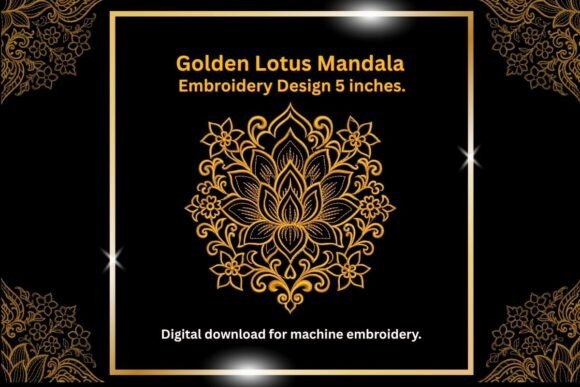
The immediate visual impact of the Golden Lotus Mandala – 5 Embroidery is one of calm sophistication. The lotus motif is a classic choice, but mandalas can often become too dense, turning into a blob of thread on smaller hoops. This five-inch design manages to breathe. The layout suggests a thoughtful distribution of satin stitch borders and fill stitch centers, creating depth without overwhelming the fabric. For an Etsy seller or boutique owner, this visual clarity is crucial. Customers scrolling through digital marketplaces need to see the design clearly in thumbnails. A muddy, over-digitized mandala gets lost; this one pops.
The mood it creates is serene yet luxurious. It does not scream for attention but rather invites a closer look. This makes it ideal for products where subtlety adds value, such as high-end linen napkins, yoga accessories, or minimalist home decor. The "golden" aspect implies warmth, suggesting that thread color choice will play a massive role in the final aesthetic. While the design file itself is monochromatic in structure, the potential for gradient threads or metallic accents is significant.
Real-World Application: From Mockup to Finished Product
To truly test a design, you must imagine it on a physical item. I recently considered this pattern for a custom order involving a set of canvas tote bags. The five-inch hoop size is a sweet spot for tote bags—it is large enough to be a focal point but small enough to fit comfortably on standard shoulder straps or centered on the front panel without distorting the bag’s structure. When I visualized the Golden Lotus Mandala – 5 Embroidery on a natural beige canvas, the contrast was striking. The intricate symmetry aligned perfectly with the woven texture of the fabric, enhancing the handmade appeal.
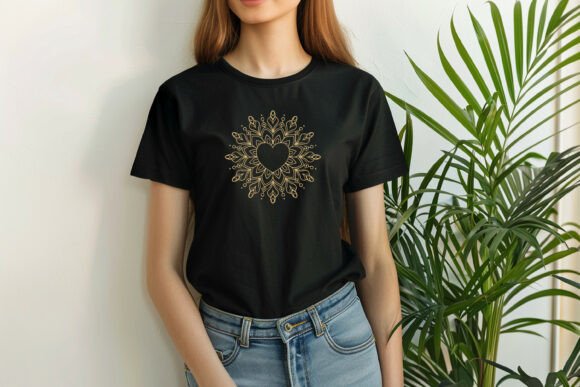
Beyond totes, this design shines in custom apparel. Imagine it placed on the upper left chest of a high-quality cotton sweatshirt. The spiritual elegance of the lotus complements the casual comfort of athleisure wear, bridging the gap between gym gear and lifestyle fashion. For baby embroidery projects, such as a muslin swaddle or a nursery pillow cover, the soft curves of the petals offer a gentle aesthetic. However, caution is needed here. Babies have sensitive skin, so the back of the embroidery must be finished cleanly, perhaps with a soft cut-away stabilizer to prevent itchiness.
For those running a craft business, versatility is key. This design could easily transition into an embroidered patch if digitized with a border, or used as a central element on a holiday gift tag. The adaptability of the mandala shape means it works on curved surfaces like caps, provided the digitizing accounts for the push-and-pull of the fabric. As a small shop product, it offers the professional finish that buyers expect when paying premium prices for personalized items.
Navigating Technical Challenges and Fabric Choices
While the design is beautiful, practical application requires technical awareness. The description notes "intricate symmetry," which often correlates with higher stitch density. Before committing to a final embroidery project, you must test the design on scrap fabric. This is non-negotiable. Dense areas can cause puckering, especially on thinner materials like silk or rayon. If you are stitching on a lightweight tote bag design fabric or a delicate tea towel, using a medium-weight cut-away stabilizer is essential to support the stitches.
Fabric texture also plays a pivotal role. On textured fabrics like terry cloth or heavy denim, the finer details of the mandala might get lost. In these cases, increasing the stitch length slightly or simplifying the underlay can help maintain clarity. Conversely, on smooth fabrics like polyester blends used in performance wear, the satin stitch elements will gleam, but you must watch for thread breaks due to friction. Always check your tension settings.
Another critical consideration is the hoop size. At five inches, this design fits standard medium hoops. However, if you are working with a multi-needle machine or a smaller home unit, ensure your hoop selection allows for proper stabilization around the edges. Curved surfaces, such as the front of a cap, require special attention. The radial symmetry of the mandala can distort if the fabric is not hooped tightly and evenly. I recommend using a cap frame and testing the alignment carefully to ensure the lotus remains centered and symmetrical.
Enhancing Brand Value and Customer Trust
For commercial embroidery professionals, the quality of the stitch output directly impacts brand reputation. A clean, well-digitized mandala signals professionalism. It tells the customer that you care about details. When you present a finished product featuring the Golden Lotus Mandala – 5 Embroidery, the visual appeal contributes to perceived value. Buyers are more likely to trust a seller whose work shows consistent tension, no loose threads, and precise alignment.
This design also supports strong branding. If your small shop product line focuses on mindfulness, wellness, or bohemian aesthetics, this mandala becomes a recognizable asset. Consistency in using such high-quality design assets helps build a cohesive visual identity. Whether used in printable mockups for online listings or in physical displays at craft fairs, the elegance of the lotus reinforces a narrative of quality and care.
Practical Designer Notes for Best Results
To get the most out of this digital embroidery file, follow these practical steps:
- Test on Scrap Fabric: Always run a test stitch-out on the same fabric type you plan to use for the final item. Check for puckering, thread breaks, and registration accuracy.
- Check Thread Color Contrast: Use a color chart to select threads that provide sufficient contrast against your fabric. Gold, cream, or deep earth tones often work well with lotus motifs.
- Review Stitch Density: If the design feels too stiff after stitching, consider reducing the density in the software or using a lighter stabilizer.
- Confirm Hoop Size: Ensure your machine’s hoop can accommodate the five-inch width with adequate margin for stabilization.
- Inspect Small Details: Zoom in on the digital preview to ensure tiny connecting stitches are robust enough to survive washing and wear.
- Mockup in Black and White: Convert your preview to grayscale to check for value contrast. This helps identify areas that might blend together visually.
- Verify Licensing: Before selling handmade products or personalized gifts featuring this design, confirm the license terms. Ensure you have commercial rights if you are an Etsy seller or running a boutique.
In conclusion, the Golden Lotus Mandala – 5 Embroidery is a strong contender for designers seeking a balance of beauty and functionality. It respects the constraints of the hoop while delivering the intricate detail that customers crave. By paying attention to fabric choice, stabilization, and thread selection, you can transform this digital file into a stunning physical reality that elevates your brand and delights your customers.