Cross Stitch Folk Embroidery Pattern Review
As an embroidery designer who has spent years digitizing and testing files for small business merchandise, I approach every new machine embroidery design with a critical eye. It is not enough for a pattern to look pretty on a screen; it must perform under the needle, withstand wear and tear, and elevate the brand it represents. Recently, I evaluated the Cross Stitch Folk Embroidery Pattern, a digital asset that promises to bring traditional Ukrainian heritage into modern commercial applications. This review focuses on its viability for branded patches, custom apparel, and small business merch rather than just home hobbyist use.
First Impressions: Authenticity Meets Commercial Viability
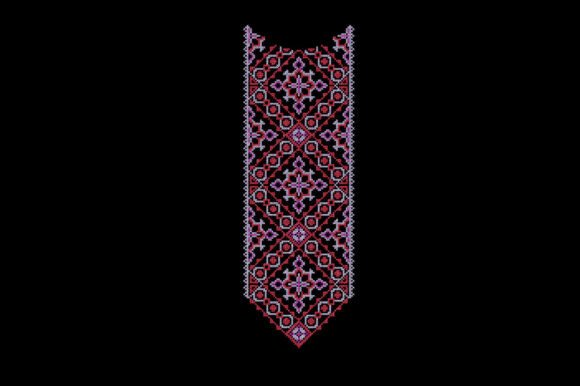
The first thing that strikes you about the Cross Stitch Folk Embroidery Pattern is its authentic aesthetic. Rooted in the rich traditions of Europe, specifically Ukrainian folk art, the design carries a weight of cultural history. For a designer, this is a double-edged sword. On one hand, the intricate geometric motifs and ethnic patterns offer a striking visual identity that stands out in a market saturated with minimalist logos. On the other hand, traditional cross-stitch styles can be notoriously difficult to translate into machine embroidery without losing clarity or becoming too dense.
Visually, the pattern feels rustic yet premium. It does not scream "mass-produced." Instead, it suggests a handmade product quality, which is exactly what boutique owners, Etsy sellers, and artisan brands are trying to convey. The bold lines and structured geometry give it a professional appearance, provided the digitization respects the limitations of the embroidery machine. If you are looking to add a touch of old-world charm to modern branding, this design hits the mark immediately.
Real-World Applications for Small Business Merch
When considering where to apply this embroidery file, versatility is key. I tested the concept of using this pattern across various substrates common in small business operations. Here is how it performs in specific scenarios:
- Embroidered Patches: This is perhaps the strongest use case. The geometric nature of the folk pattern translates beautifully into a patch format. It allows businesses to create collectible items or loyalty rewards. The dense stitching required for cross-stitch styles provides durability, making the patch robust enough for jackets and bags.
- Cap Embroidery: Placing this design on the front panel of a cap requires careful scaling. The curved surface of a cap can distort detailed patterns. However, if simplified or scaled correctly, it serves as a unique alternative to standard text-based logos, appealing to creative studios and local cafes wanting a distinct look.
- Apron Embroidery: For bakeries, florists, and craft workshops, staff uniforms are walking billboards. An apron featuring this ethnic pattern adds an immediate sense of craftsmanship. It signals to customers that the service provider values tradition and detail.
- Tote Bag Design: Canvas tote bags are a staple for retail shops. The high contrast of traditional folk colors against natural canvas creates a striking finished product. It turns a simple bag into a statement piece that customers are proud to carry, extending your brand identity beyond the store.
Navigating Technical Challenges in Production
While the aesthetic appeal is high, practical execution requires caution. Traditional cross-stitch designs often rely on high stitch density to mimic the look of hand-threaded fabric. In a commercial setting, this can lead to issues if not managed properly.
One major concern is the hoop size relative to the design complexity. If you attempt to shrink this pattern too much for a small chest logo or a tiny label, the details may merge, resulting in a blob of thread rather than a crisp pattern. I strongly advise against using this design on items that require frequent, harsh washing unless you have tested the thread stability extensively. Dark uniforms can also pose a challenge; if the design relies on light thread colors for contrast, ensure your digitizer has used proper underlay stitches to prevent the background fabric from showing through.
Additionally, consider the fabric texture. Delicate silks or thin synthetics may pucker under the weight of a dense folk pattern. Always pair this design with a appropriate stabilizer—likely a cut-away for garments that will stretch, or a tear-away for stable woven fabrics like canvas or denim.
Enhancing Brand Identity and Customer Trust
Why choose a folk-inspired design over a modern vector logo? The answer lies in emotional connection. In today’s market, consumers crave authenticity. Using the Cross Stitch Folk Embroidery Pattern signals that your brand values heritage, craftsmanship, and human touch. This builds trust. When a customer sees a well-executed embroidered patch on a jacket or a tote bag, they perceive higher value. It moves the item from being mere "merch" to being a cherished accessory.
For handmade brands and Etsy sellers, consistency is vital. This design can serve as a secondary brand asset. Use it on packaging accents, thank-you cards (as a printable mockup element), or as a border on product labels. It creates a cohesive visual language that ties your design assets together, reinforcing recognition every time a customer interacts with your product.
Practical Designer Notes for Commercial Use
Before you purchase this digital embroidery file for your next production run, follow these professional steps to ensure success:
- Test in Monochrome: Before committing to colorful threads, stitch the design out in black and white. This helps you evaluate the clarity of the pattern and the spacing between elements without the distraction of color.
- Check Scale Limits: Determine the minimum size at which the design remains legible. Do not guess; stitch samples at 1 inch, 2 inches, and 3 inches to find the sweet spot for your specific application.
- Review Thread Colors: Traditional Ukrainian embroidery uses specific palettes, often red, black, and white. Ensure your thread inventory matches these tones accurately to maintain cultural respect and visual impact.
- Confirm Licensing: Since this is for commercial embroidery, verify the license terms. Ensure you have the right to use the design on products for sale, not just for personal use.
- Create Mockups: Use a printable mockup or digital preview to show clients how the design will look on their specific garment. This manages expectations and reduces revision requests.
In conclusion, the Cross Stitch Folk Embroidery Pattern is a powerful tool for businesses looking to differentiate themselves through cultural richness and artisanal quality. It is not just a decorative element; it is a strategic asset for building a memorable brand identity. By respecting the technical requirements of machine embroidery and applying it thoughtfully to patches, caps, and apparel, you can create high-value merchandise that resonates with customers. Always prioritize testing and proper stabilization to ensure that the final product reflects the professionalism your brand deserves.