Reviewing the Graceful Swan and Baby Embroidery Design
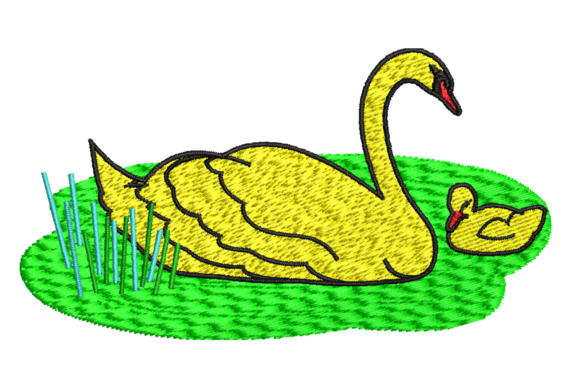
As a designer who spends more time staring at stitch maps than finished garments, I have learned that not every pretty picture translates into a clean embroidery project. When I first pulled up the Graceful Swan and Baby Embroidery Design, my initial reaction was one of quiet appreciation. It is rare to find a motif in the Birds category that balances emotional resonance with technical feasibility. This design captures the gentle bond between a mother swan and her cygnet, floating on calm waters, using soft golden tones and flowing lines. But does it hold up under the needle? I put this machine embroidery design through a mental stress test to see if it belongs in your next commercial or personal creation.
First Impressions: Mood and Visual Flow
The immediate mood of this piece is serenity. The composition relies heavily on curved lines, which are notoriously tricky in embroidery because they can look jagged if the digitizing is poor. However, the preview suggests smooth transitions. The visual personality is elegant rather than cartoonish, which immediately broadens its appeal. For an Etsy seller or boutique owner, this distinction matters. You are not just selling a bird; you are selling a feeling of peace and maternal care. The layout feels balanced, with the larger swan protecting the smaller one, creating a natural focal point that draws the eye without overwhelming the surrounding fabric. This makes it an ideal candidate for items where subtlety is key, such as high-end custom apparel or nursery decor.
Real-World Application: From Digital File to Finished Product
To truly evaluate an embroidery file, you must imagine it stitched out. I visualized this design on a few different canvases to gauge its versatility. My primary test case was a cream-colored canvas tote bag design. The golden tones mentioned in the description would pop beautifully against the neutral background, creating a sophisticated look suitable for a spring market or a bridal shower gift. The flowing lines of the water beneath the swans provide a stable base, preventing the design from looking like it is floating aimlessly.
I also considered its use in sweatshirt embroidery. Here, the design’s moderate detail level works in its favor. On a fleece or heavy cotton blend, overly intricate details get lost. This design, with its emphasis on shape and tone rather than microscopic detail, would remain clear and recognizable even on textured fabrics. It would make a stunning personalized gift for a new mother, perhaps accompanied by their initials in a complementary script font nearby. For those running a craft business, this versatility is a major asset. One design can serve multiple product lines, from baby embroidery on onesies to decorative accents on kitchen towels.
Considerations for Challenging Fabrics and Hoops
While the design is versatile, it is not without its constraints. Any experienced embroiderer knows that curved satin stitch elements can pull on stretchy fabrics. If you plan to use this on a fitted t-shirt or a cap, you must be diligent with your stabilizer choice. A cut-away stabilizer would likely be necessary to prevent puckering, especially around the wider bodies of the swans. Additionally, the "calm green waters" described imply a fill stitch area. Fill stitches add weight and density. On thin fabrics like silk or lightweight rayon, this could cause distortion. I would advise testing this on a scrap piece of your intended fabric first.
Another critical factor is hoop size. While the exact dimensions are not specified in the brief, the presence of two figures and background elements suggests this is not a micro-design. It likely requires at least a 4x4 or 5x7 hoop. Attempting to shrink this design to fit a 1-inch patch area would result in a loss of clarity, turning the graceful lines into a blob of thread. Always check the minimum recommended size before purchasing. Furthermore, if you are working on curved surfaces like caps, ensure the design center is aligned perfectly, as the asymmetry of the swan and baby could look off-balance if skewed.
Technical Performance and Stitch Quality
The success of any digital embroidery file lies in its stitch path. In this design, the transition between the swan’s body and the water is crucial. If the digitizer has used proper underlay stitches, the thread colors will sit flat and vibrant. The "soft golden tones" suggest a need for high-quality rayon or polyester threads that have a slight sheen, enhancing the luxurious feel of the swan’s feathers. Matte cotton threads might dull the effect. I recommend reviewing the color chart provided with the design. If the contrast between the swan and the water is too low, the image may lack definition. A quick test in black and white on your computer screen can reveal if the values are distinct enough.
For those interested in commercial embroidery, stitch density is a cost factor. Dense designs take longer to stitch and use more thread. This design appears to have a balanced density, avoiding excessive overlapping that wastes resources. However, always verify the stitch count if it is provided. A lower stitch count with high impact is always preferable for production runs. If you are creating an embroidered patch, consider adding a border or using a satin stitch edge to contain the fill stitches and give the patch a professional, finished look.
Enhancing Brand Value and Customer Trust
Using high-quality design assets like the Graceful Swan and Baby Embroidery Design directly impacts your brand perception. Customers can tell the difference between a crisp, well-digitized image and a messy, pixelated conversion. A clean stitch-out builds trust. It signals that you care about quality. For small shop product listings, this design offers excellent photogenic potential. The organic shapes look beautiful in lifestyle photos, whether draped over a chair or worn by a model. This visual appeal can drive engagement on social media and increase conversion rates for your printable mockup previews.
Moreover, the theme of maternal love is evergreen. It fits seamlessly into holiday embroidery collections for Mother’s Day, Easter, or Christmas. By incorporating this design into your seasonal offerings, you create a cohesive narrative for your brand. It shows consistency and thoughtfulness, encouraging repeat customers who appreciate your curated aesthetic.
Practical Designer Notes for Best Results
- Test on Scrap Fabric: Never skip this step. Check for puckering, especially if using lightweight materials.
- Check Thread Contrast: Ensure the golden tones stand out against your chosen fabric. Use a color wheel to find complementary background shades.
- Review Stitch Density: If the design feels too stiff after stitching, try reducing the density slightly in your editing software, if licensed to do so.
- Confirm Hoop Size: Measure your garment’s available space. Ensure the design fits comfortably without hitting seams or pockets.
- Inspect Small Details: Zoom in on the baby swan’s features. Ensure there are no stray stitches or disconnected paths that could cause thread breaks.
- Use Proper Stabilizer: Match the stabilizer to the fabric. Cut-away for knits, tear-away for wovens.
- Verify Licensing: Before selling finished products or using this in commercial projects, confirm the license terms. Most designers allow physical sales but restrict digital redistribution.
In conclusion, the Graceful Swan and Baby Embroidery Design is a strong contender for any designer’s library. It offers a blend of artistic beauty and practical applicability. Whether you are creating a personalized gift for a friend or stocking your online store with unique handmade products, this design provides the elegance and clarity needed to impress. Just remember to respect the technical requirements of the file, choose your materials wisely, and let the natural grace of the swan shine through your craftsmanship.