Review: Tribal Wolf and Moon Embroidery Design
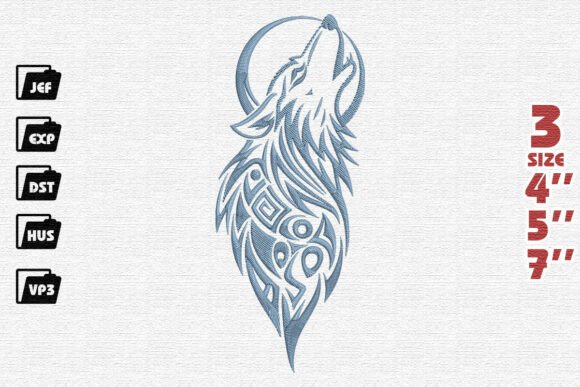
As an embroidery designer who has spent years digitizing patterns for small businesses, I approach every new machine embroidery design with a critical eye. It is not just about whether the art looks good on a screen; it is about how it translates to fabric, how it holds up in production, and ultimately, how it serves the brand identity of the client. Recently, I evaluated the Tribal Howling Wolf and Moon Embroidery Design in Dusty Blue, a piece categorized under Woodland Animals, to determine its viability for commercial use. This review focuses on its application for branded merchandise, patches, and custom apparel.
First Impressions: A Mystical yet Professional Aesthetic
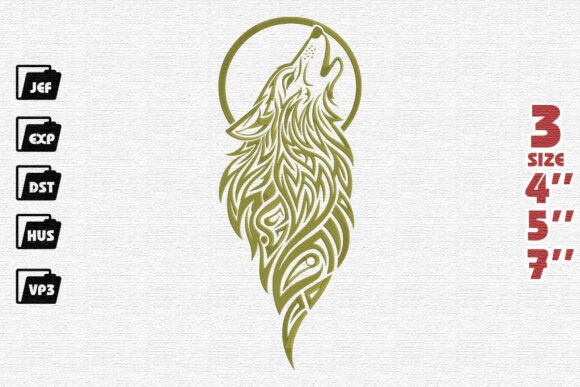
The first thing that strikes you about this design is its atmospheric quality. The description highlights a stylized wolf howling at a crescent moon, rendered in a single, elegant shade of dusty blue. In a market saturated with hyper-realistic or cartoonish animal motifs, this tribal approach feels sophisticated and grounded. The use of a "complex tapestry" to create the fur suggests a textured, layered look that adds depth without relying on excessive color changes.
For a small business owner, particularly those in creative industries like boutique cafes, florists, or artisanal bakeries, this aesthetic hits a sweet spot. It feels handmade and premium rather than mass-produced. The dusty blue tone is versatile; it is soft enough to be friendly but dark enough to maintain visibility. It avoids the aggression sometimes associated with wolf imagery, leaning instead into a sense of mystery and elegance. This makes it an excellent candidate for brands that want to project a calm, rustic, or nature-inspired identity.
Real-World Applications for Small Business Merch
When considering where to place this digital embroidery file, versatility is key. Here is how I envision this design performing across various product lines:
- Embroidered Patches: This is perhaps the strongest use case. The tribal lines and moon motif lend themselves beautifully to a merrowed edge patch. These can be sold as standalone accessories or used to upgrade plain denim jackets and canvas bags.
- Apron Embroidery: For coffee shops or craft studios, placing this design on the chest pocket of a canvas apron creates a unified staff uniform. The single-color scheme ensures it does not clash with various apron colors.
- Cap Embroidery: A left-chest placement on a structured cap works well. However, due to the curved surface, the intricate details of the wolf’s fur must be checked for clarity.
- Tote Bag Design: Canvas tote bags are a staple for eco-friendly brands. The dusty blue thread contrasts nicely against natural beige canvas, creating a subtle, earthy look that appeals to conscious consumers.
- Custom Apparel: On work shirts or flannels, this design serves as a distinctive brand mark. It is less intrusive than a large back print but more memorable than a simple text logo.
For Etsy sellers and merch creators, this design offers a unique selling proposition. It allows for the creation of cohesive design assets that can be applied across a range of products, from customer gifts to event merch. The visual consistency provided by using a single signature color helps reinforce brand recognition.
Technical Considerations and Production Challenges
While the aesthetic is strong, any experienced embroiderer knows that beauty lies in the execution. There are specific areas where the Tribal Howling Wolf and Moon Embroidery Design in Dusty Blue requires careful handling during production.
Stitch Density and Fabric Texture: The description mentions a "complex tapestry" for the fur. This implies a higher stitch density. When embroidering on textured fabrics like terry cloth towels or thick wool, these fine details might get lost or cause puckering. It is crucial to test the design on the actual fabric intended for the finished product. If the fabric is too plush, the intricate tribal lines may merge, losing their definition.
Small Patch Sizes: If you plan to scale this down for a small label or a tiny chest logo, you must verify the legibility. Complex outlines and detailed fur textures can become a blob of thread if the design is reduced below a certain threshold. Always check the minimum recommended size provided with the embroidery file.
Curved Surfaces: Cap embroidery presents a challenge for detailed designs. The curvature of the front panel can distort the image. I recommend using a sturdy stabilizer and potentially simplifying the inner details of the wolf if the hoop size is limited. A test run on a scrap cap is non-negotiable before committing to a full batch of custom apparel.
Thread Color Contrast: Since the design relies on a single shade of dusty blue, contrast is vital. On navy or black garments, the design may disappear. Conversely, on white fabric, it will pop but may show dirt more easily over time. Consider offering this design in alternative thread colors if your clients have diverse uniform needs, even if the primary branding is dusty blue.
Enhancing Brand Identity and Customer Trust
Beyond the technical aspects, this design plays a significant role in shaping brand perception. A well-executed embroidery project signals quality. When a customer receives a tote bag or shirt with a clean, professional embroidered patch or direct stitch, it elevates the perceived value of the item. It transforms a simple promotional giveaway into a cherished keepsake.
For handmade brands, using a design like this reinforces the narrative of craftsmanship. It shows attention to detail and a commitment to quality materials. This builds trust with customers who are increasingly wary of fast fashion and low-quality prints. The mystical, woodland theme also taps into current trends favoring nature-connected lifestyles, which can drive buyer engagement on social media platforms.
Practical Designer Notes for Implementation
Before you load this digital embroidery file into your machine for a commercial order, follow these practical steps to ensure success:
- Test in Black and White: Before stitching with dusty blue thread, run a test in black thread on white fabric. This helps you see the structural integrity of the design without the distraction of color. It reveals if any lines are too close together or if there are potential jump stitch issues.
- Check Hoop Size Compatibility: Ensure the design fits comfortably within your available hoop size, leaving adequate margin for stabilization. Do not crowd the edges.
- Select the Right Stabilizer: Given the complex nature of the fur texture, a cut-away stabilizer is likely necessary for stretchy fabrics like t-shirts to prevent distortion after washing. For woven fabrics like canvas or denim, a tear-away might suffice, but test first.
- Create a Printable Mockup: Use software to place the design on a photo of the actual garment. Share this printable mockup with your client for approval. This manages expectations and prevents disputes over placement or size.
- Verify Commercial Licensing: Always confirm the license terms associated with the embroidery file. Ensure you have the right to use it for physical goods intended for sale, especially if you are producing items for third-party clients.
- Inspect Spacing: Look closely at the spacing between the wolf and the moon. If they are too close, they may bridge with thread during high-speed stitching. Adjust pull compensation settings if necessary.
In conclusion, the Tribal Howling Wolf and Moon Embroidery Design in Dusty Blue is a compelling choice for small business merchandise. It balances artistic flair with commercial viability, provided that technical precautions are taken. By understanding its strengths in patch and apparel applications and respecting its limitations regarding size and fabric texture, you can leverage this design to create high-value, professional-grade products that enhance your brand identity.