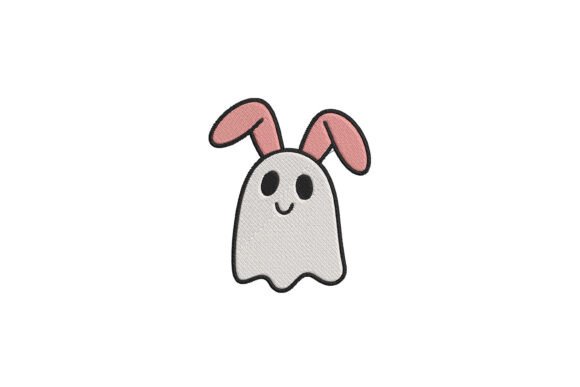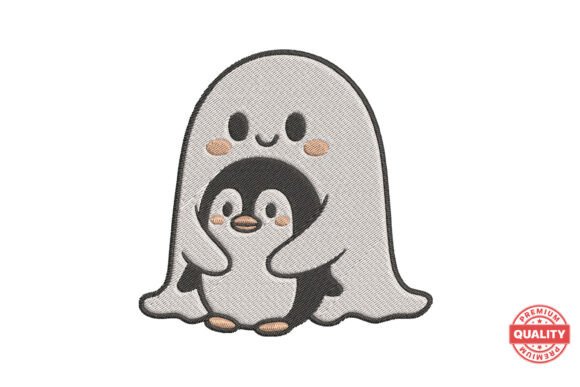
Review: Ghost and Penguin Embroidery for Apparel
As an embroidery designer who spends countless hours digitizing and testing files for boutique apparel, I have learned that the difference between a bestseller and a stagnant inventory item often comes down to the personality of the design. When I first encountered Ghost and Penguin Embroidery on Creative Fabrica, my initial reaction was one of curious delight. In a market saturated with generic seasonal motifs, finding a design that balances whimsy with technical precision is rare. This review explores how this specific machine embroidery design performs when applied to real-world garments, specifically focusing on sweatshirts, hoodies, and custom apparel for small clothing brands.
Visual Personality and Stitching Mood
The first thing that strikes you about Ghost and Penguin Embroidery is its deceptive simplicity. While the product description mentions a "delightful trio of white daisies" with cheerful yellow centers and earthy green leaves, the title suggests a playful Halloween theme. This duality is exactly what makes it valuable for a boutique brand. It does not scream "spooky" in a way that limits its shelf life to October 31st. Instead, it offers a cute, playful aesthetic that can transition from autumn coziness to everyday wear.
The visual mood is undeniably soft and approachable. For an Etsy seller or handmade business owner, this is crucial. Buyers are increasingly drawn to designs that feel personal and gentle rather than aggressive or overly loud. The stitch density appears balanced, avoiding the heavy, cardboard-like feel that plagues cheaper digital embroidery files. When I visualize this on fabric, I see a design that respects the texture of the material rather than overpowering it. It feels premium yet casual, striking that elusive balance required for high-end streetwear or cozy lifestyle products.
Performance on Sweatshirts and Hoodies
Sweatshirt embroidery is notoriously tricky due to the thickness of fleece and the potential for puckering. However, Ghost and Penguin Embroidery seems well-suited for this medium. The presumed use of satin stitches for the petals and centers, combined with fill stitches for any larger areas, suggests a design that will sit flat on heavier fabrics.
For hoodie design applications, I recommend placing this motif on the left chest. This classic placement allows the details of the white petals and yellow centers to shine without overwhelming the garment. On neutral sweatshards—think oatmeal, heather grey, or soft black—the contrast of the white thread pops beautifully. If you are working with pastel hoodies, the earthy green leaves provide a grounding element that prevents the design from looking too washed out.
Back designs are another viable option, particularly for oversized garments. If the hoop size permits scaling up, this design could serve as a central back piece, creating a statement look that appeals to younger demographics active on social media. However, always check the specific file details on Creative Fabrica to ensure the resolution holds up when enlarged.
Versatility Across Apparel and Accessories
Beyond hoodies, this design shines on t-shirt embroidery projects. On cotton jersey, the stitch count must be managed carefully to avoid stiffness. Assuming the file is optimized for standard home machines, it should lay smoothly on pre-shrunk tees. For denim jackets, the rugged texture of denim provides a fantastic backdrop for the softness of the daisy-inspired elements, creating a charming rustic-meets-cute vibe.
Tote bag design is another area where Ghost and Penguin Embroidery adds significant value. Canvas bags are popular among creative entrepreneurs and students. Embroidering this motif on a natural canvas tote elevates it from a basic utility item to a fashionable accessory. The durability of embroidery ensures that the design withstands daily use, unlike printed graphics that may crack or fade.
Technical Considerations for Professional Results
To achieve a professional presentation, several technical factors must be addressed. First, stabilizer choice is paramount. For fleece and sweatshirts, a cut-away stabilizer is generally recommended to provide ongoing support against the stretch of the fabric. For woven fabrics like denim or tote bags, a tear-away may suffice, but testing is essential.
Thread color contrast is another critical element. The description highlights white petals and yellow centers. When stitching on dark garments, ensure your white thread is high-quality polyester or rayon to maintain brightness after washing. On light garments, consider using a slightly off-white or cream thread to prevent the design from disappearing, or use a backing fabric to enhance visibility.
Fabric texture also plays a role. Ribbed fabric can distort designs if not hooped correctly. Always use a floating method or strong adhesive spray to keep ribbed cuffs or collars stable during stitching. Additionally, inspect the stitch density before running the full production batch. High-density areas on stretchy fabric can cause pulling, so adjusting tension or using a lighter weight thread might be necessary.
Enhancing Brand Identity and Buyer Trust
For small shop products, consistency is key to building buyer trust. Using a cohesive design like Ghost and Penguin Embroidery across a collection helps establish a recognizable brand identity. Whether used on Halloween-themed merchandise or spring collections, the consistent quality of the embroidery signals professionalism.
High-quality finished products lead to better customer engagement. When buyers receive a garment with clean, well-executed stitching, they are more likely to share photos on social media. These user-generated content pieces act as free marketing for your boutique brand. Furthermore, offering commercial embroidery rights allows you to scale your business without legal concerns, provided you verify the license terms on the Creative Fabrica product page.
Practical Designer Notes
Before launching this design in your store, follow these steps:
- Test on scrap fabric: Always run a test stitch-out on the exact fabric type you intend to sell. This reveals any tension issues or registration errors.
- Confirm hoop size: Check the product details to ensure the design fits your available hoops. If resizing is needed, do so within the recommended limits to avoid distorting the stitch pattern.
- Review licensing: Verify the commercial use rights associated with the digital embroidery file. Ensure you are compliant with Creative Fabrica’s terms for selling finished apparel.
- Create printable mockups: Use high-resolution images of the stitched design to create realistic mockups for your Etsy listings. This helps customers visualize the final product.
- Check stitch count: While not explicitly stated in the brief description, knowing the stitch count helps estimate production time and thread usage, which is vital for pricing your handmade product accurately.
In conclusion, Ghost and Penguin Embroidery offers a versatile, charming option for apparel decorators looking to add a touch of whimsy to their collections. Its adaptability across various garments, from cozy hoodies to sturdy tote bags, makes it a valuable asset for any creative entrepreneur. By paying attention to technical details and leveraging its visual appeal, you can create standout pieces that resonate with customers and elevate your brand.