Review: Cute Christmas Corgi Embroidery Design
As a designer who spends more time staring at stitch simulations than I care to admit, I have developed a keen eye for what makes a machine embroidery design truly workable. It is not just about how cute the preview image looks on a white background; it is about how those threads lay down on real fabric, how the tension holds up after washing, and whether the final finished product feels premium or messy. Recently, I pulled up the Cute Christmas Corgi Embroidery Design to evaluate its potential for my upcoming holiday collection. Here is my honest, practical breakdown of how this design performs in a real-world studio setting.
First Impressions and Visual Personality
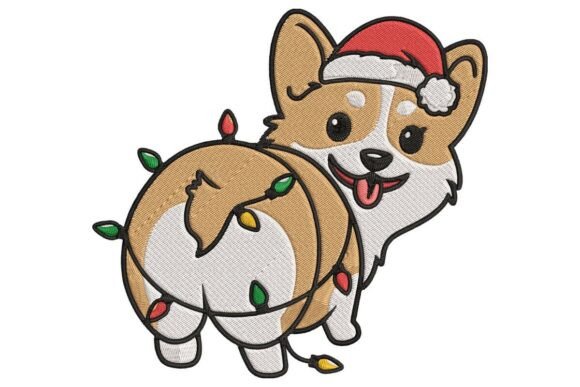
The moment I loaded the file, the charm was immediate. This is not a generic, clip-art style dog; it has personality. The corgi is depicted with a cheerful expression and a classic Santa hat, capturing that specific blend of humor and warmth that sells well during the holidays. From a layout perspective, the design feels balanced. It does not rely on overly complex shading that often turns into a muddy mess when stitched out on textured fabrics. Instead, it uses clean lines and distinct color blocks.
For an embroidery project intended for commercial sale, visual clarity is paramount. Customers scrolling through an Etsy seller’s shop need to recognize the subject instantly. This design achieves that. The playful twist mentioned in the description hints at a whimsical touch that prevents it from feeling too traditional or stiff. It fits perfectly into the modern "cozy cottage" aesthetic that dominates current home decor and apparel trends.
Real-World Application: The Tote Bag Test
To truly test the viability of any digital embroidery file, I believe in putting it on a challenging but popular item. I chose a natural canvas tote bag for my test run. Canvas is forgiving, but it can be heavy, requiring the machine to pull hard on the fabric. I wanted to see if the Cute Christmas Corgi Embroidery Design would pucker or distort.
I used a medium-weight cut-away stabilizer to ensure the fabric remained taut. The result was impressive. The satin stitch work on the Santa hat’s trim lay flat and shiny, providing a nice textural contrast to the fill stitch areas used for the corgi’s fur. The thread colors popped against the neutral beige background. If you are a small shop product creator, this kind of reliability is gold. It means fewer refunds due to poor stitching quality and happier customers who receive a durable handmade product.
Beyond tote bags, this design translates beautifully to other items. Imagine it as a sweatshirt embroidery piece on the left chest area. The scale seems appropriate for a pocket-sized placement, offering a subtle nod to the season without being overwhelming. It would also make an adorable embroidered patch that could be ironed onto denim jackets or backpacks, adding versatility to your design assets.
Fabric Considerations and Technical Nuances
While the design performed well on canvas, experienced designers know that fabric choice changes everything. When working with stretchy knits for custom apparel, such as baby onesies or t-shirts, you must be cautious. The stitch density appears moderate, which is good, but any dense area can cause puckering on thin materials. I strongly advise using a hoop size that comfortably encompasses the entire design with extra room for stabilization. Do not try to squeeze this into a tiny hoop if it requires resizing, as this can distort the proportions of the corgi’s face.
For baby embroidery projects, softness is key. Ensure that the back of the stitching is covered with a soft backing or that you use a tear-away stabilizer carefully removed to avoid irritating sensitive skin. On dark fabrics, the contrast becomes even more critical. If you are stitching the white parts of the corgi or the Santa hat on a navy or black garment, consider using a slightly thicker thread or adjusting the underlay stitches in your software to prevent the dark fabric from showing through. This attention to detail elevates a simple holiday embroidery piece into a professional-grade item.
Where to Use Caution
There are specific scenarios where I would hesitate to use this design without significant modification. Curved surfaces, like the front panel of a baseball cap, can be tricky. The width of the corgi might require careful centering to avoid wrapping around the curve too aggressively, which can cause thread breaks or misalignment. Additionally, if you are planning to use this on a textured towel, ensure your needle is sharp enough to penetrate the loops without snagging, as the finer details of the corgi’s expression could get lost in the pile.
Commercial Value and Brand Consistency
For craft business owners, the ultimate question is: will this sell? The answer lies in the emotional connection. Dogs, particularly corgis, have a massive, dedicated following. Combining that fandom with Christmas creates a high-demand niche. This design allows you to create personalized gifts that feel thoughtful rather than mass-produced. Whether it is for a personalized gift for a dog lover or a branded item for a boutique, the design holds its own.
From a branding perspective, consistency matters. If your shop specializes in whimsical, hand-drawn styles, this applique design or standard stitch-out fits seamlessly. It enhances buyer engagement because it is shareable. People love posting photos of their new embroidered gear on social media, especially when it features something as photogenic as a corgi. This organic marketing potential adds value beyond the initial sale.
Practical Designer Notes for Best Results
Before you commit to running this on a customer’s expensive garment, follow these steps to ensure quality control:
- Test on Scrap Fabric: Always stitch out a sample on the same type of fabric you intend to use for the final product. This reveals any tension issues or color clashes.
- Check Thread Contrast: View your design in black and white on your screen. If the details disappear, you may need to adjust thread shades to ensure definition.
- Verify Licensing: Before selling finished items or using this in commercial embroidery projects, confirm the license terms provided with the file. Some creators allow unlimited sales, while others have caps.
- Inspect Small Details: Zoom in on the eyes and nose. These small areas define the character’s expression. Ensure they are not too dense, which can cause thread bunching.
- Mockup Testing: Create printable mockups to show customers how the design looks on different products. This helps manage expectations and reduces return rates.
In conclusion, the Cute Christmas Corgi Embroidery Design is a strong contender for your holiday lineup. It balances charm with technical feasibility, making it suitable for a wide range of applications from tote bag design to custom apparel. By paying attention to stabilizer choice, fabric texture, and stitch placement, you can produce a high-quality item that reflects well on your brand. It is a delightful addition to any designer’s library, provided you approach it with the practical mindset of a seasoned maker.