Review: Coquette Goose Christmas Embroidery for Craft Fairs
As an embroidery designer who spends more time at the sewing machine than I do sleeping, I approach every new machine embroidery design with a critical eye. It is not just about whether the digitizing is clean; it is about whether the design will actually sell when placed on a crowded craft fair table. This season, I tested the Coquette Goose Christmas Embroidery to see if it has what it takes to become a staple in my holiday inventory. The premise is simple: spruce up your fabrics with a charming, whimsical touch. But does it deliver on commercial viability?
First Impressions: Whimsy Meets Holiday Charm
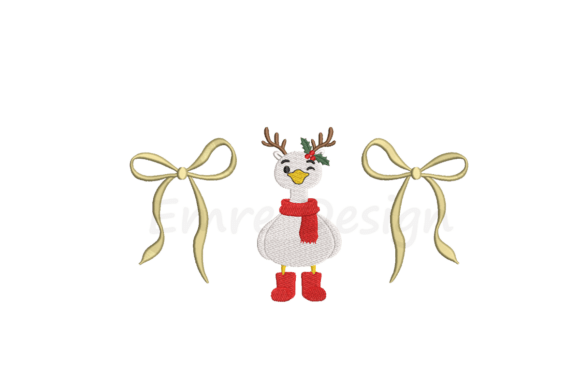
The first thing that strikes you about the Coquette Goose Christmas Embroidery is its personality. In a market saturated with traditional snowflakes and generic Santa motifs, this design offers a refreshing blend of modern coquette aesthetics and rustic farmhouse humor. It feels soft, decorative, and intentionally playful. For a boutique maker, this is gold. It appeals to the customer who wants festive decor but prefers something unique and slightly ironic over the standard holiday fare.
Visually, the design balances well. It does not scream for attention with neon brightness but rather invites a closer look. This subtle confidence is crucial for high-end handmade products. When I loaded the digital embroidery file into my software, the stitch paths looked logical, suggesting a smooth run time. However, as with any design, the true test is how it translates from screen to fabric.
Product Versatility: Where This Design Shines
To determine the best use case, I simulated a weekend craft fair booth setup. I evaluated how the Coquette Goose Christmas Embroidery would perform across various popular items. Here is my breakdown of where this design adds the most value:
- Tote Bags and Market Bags: This is arguably the strongest application. A large hoop placement on a canvas tote creates an instant statement piece. The whimsical nature of the goose pairs perfectly with the casual utility of a market bag, making it an ideal impulse buy for shoppers looking for reusable gift bags or grocery totes.
- Tea Towels and Kitchen Linens: Kitchen textiles are perennial bestsellers. The design works beautifully as a corner accent or a central focal point on flour sack towels. The contrast of the embroidery against white or natural linen highlights the stitch detail, enhancing the perceived quality of the handmade product.
- Aprons: An apron featuring this design transitions easily from a functional kitchen item to a giftable novelty. It appeals to the home cook who enjoys hosting holiday gatherings. The placement on the bib area draws the eye upward, framing the wearer’s face and adding a touch of festive cheer without being overwhelming.
- Embroidered Patches: For sellers who want to minimize production time, turning this into an iron-on or sew-on patch is a smart move. It allows customers to customize their own jackets or denim jeans. Just ensure the edges are densely stitched to prevent fraying after washing.
Production Practicality and Batch Selling
For any Etsy seller or small shop owner, time is money. The Coquette Goose Christmas Embroidery appears to be designed with efficiency in mind. It is not overly complex, which means fewer thread breaks and less trimming. This repeatability is essential for batch production. If you plan to sell fifty tote bags before December 25th, you need a design that runs reliably.
Photography is another critical factor. This design photographs exceptionally well. The distinct shapes and playful theme pop in digital listings, making it easier to create engaging social media content. A clear, well-lit photo of the goose on a textured fabric can stop the scroll on Instagram or Pinterest, driving traffic to your shop. Using a printable mockup can help visualize the design on different colors, but nothing beats a real-life sample for building trust with buyers.
Critical Considerations for Quality Control
While the design is charming, there are technical aspects you must address to ensure a premium finished product. Do not skip the testing phase. Here are the specific areas where things can go wrong if you are not careful:
- Fabric Texture and Stability: Textured towels can sometimes cause small details to get lost in the pile. If you are stitching on terry cloth or waffle weave, consider using a topping stabilizer to keep the stitches sitting on top of the fabric rather than sinking in. This ensures the Coquette Goose Christmas Embroidery remains crisp and legible.
- Stitch Density and Fabric Choice: Check the stitch density of the file. If it is too dense for lightweight fabrics like silk or thin cotton, it may cause puckering. Always test on scrap fabric first. For darker fabrics, ensure your thread colors have enough contrast. A dark goose on a navy shirt will vanish, ruining the visual impact.
- Curved Surfaces: If you plan to put this on caps, be mindful of the curvature. Large, flat designs can distort on the front panel of a baseball cap. You may need to resize the design or adjust the placement to ensure it looks proportional and does not wrap awkwardly around the seams.
- Small Details: Inspect the tiny elements of the design. If there are small eyes or beak details, ensure they are not so small that they become indistinct blobs when stitched out. If the design includes lettering, verify that it is readable at the intended size.
Enhancing Brand Consistency and Buyer Engagement
Incorporating the Coquette Goose Christmas Embroidery into your lineup can strengthen your brand identity if you position it correctly. It signals to customers that your shop values creativity and humor. This emotional connection drives buyer engagement. People do not just buy embroidery; they buy the feeling it evokes. This design evokes warmth, nostalgia, and a bit of lighthearted fun.
For booth displays, use this design to create a cohesive theme. Pair embroidered tote bags with matching tea towels and patches. Grouping these items together creates a visually appealing vignette that encourages multiple purchases. A customer might come for the towel but leave with the tote and a patch because the consistent design language makes the collection feel curated and complete.
Final Designer Notes and Licensing
Before you launch your holiday campaign, there are a few final steps to take. First, confirm the hoop size requirements. Ensure your machine can accommodate the largest version of the design if you plan to offer multiple sizes. Second, review the license terms associated with the design assets. Most designers allow commercial use for physical products, but you must verify this explicitly. Never assume. Check if there are restrictions on the number of units you can sell or if attribution is required.
Also, consider your thread palette. While the default colors in the embroidery file may look good, customizing the thread colors to match current trends can give you a competitive edge. Earthy tones, muted pastels, or classic reds and greens can change the entire mood of the piece. Experiment with different combinations to see what resonates best with your target audience.
In conclusion, the Coquette Goose Christmas Embroidery is a strong contender for your holiday product line. It is versatile, visually appealing, and practical for production. By paying attention to fabric choices, stabilizer use, and strategic placement, you can transform this digital file into a high-performing craft fair product. It is not just a design; it is a tool for connecting with customers who appreciate the charm of handmade goods. Test it, refine your process, and let this whimsical goose help fly your sales this season.