Review: Classic Paw Print Embroidery Design for Makers
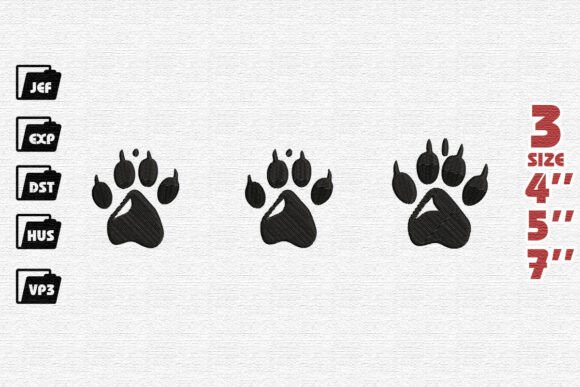
As a designer who has spent countless hours digitizing and testing machine embroidery patterns, I have learned that simplicity is often the hardest quality to master. When I first loaded the Classic Paw Print Embroidery Design into my software, I was looking for clean lines and balanced spacing. This digital file features three identical paw prints arranged in a straightforward layout. It does not try to be overly complex or trendy. Instead, it relies on the universal appeal of pet imagery. For those of us running a craft business or creating personalized gifts, this kind of reliability is invaluable. The design falls under the Wild Animals category, yet it feels domestic and warm, making it suitable for a wide range of Embroidery projects.
First Impressions and Visual Personality
The immediate mood created by this design is one of affection and nostalgia. The shapes are rounded and soft, avoiding sharp angles that might cause stitching issues on certain fabrics. The visual personality is friendly and approachable. When I zoomed in to inspect the stitch paths, I noticed a thoughtful balance between fill stitch areas and open space. This is crucial for maintaining clarity. If a design is too dense, it can pucker the fabric; if it is too sparse, it lacks impact. This pattern seems to hit a sweet spot, offering enough coverage to be visible from a distance while remaining light enough for comfortable wear on custom apparel.
For an Etsy seller or small shop owner, the aesthetic versatility of this file is a major selling point. It works equally well in a single color for a minimalist look or in multiple thread colors to mimic realistic fur tones. The simplicity ensures that it does not clash with other design elements if you plan to combine it with text or other graphics in a larger composition.
Real-World Application: The Tote Bag Test
To truly evaluate a machine embroidery design, you must imagine it on a finished product. I recently considered using this pattern for a custom embroidered tote bag project. Canvas tote bags are staples for boutique branding and everyday use. The three-paw layout provides a nice horizontal spread that fits well across the center or bottom corner of a standard bag. Because the design is not excessively tall, it avoids the distortion that can happen when stitching over seams or thick handles.
I also envisioned this on a sweatshirt embroidery project. Placing the paws on the left chest area creates a subtle, professional look that appeals to dog and cat lovers who want to show their passion without wearing a loud graphic tee. The clean lines ensure that the image remains recognizable even when scaled down for smaller garments like baby clothes. In the realm of baby embroidery, softness is key, and this design’s lack of intricate, scratchy details makes it ideal for sensitive skin.
Versatility Across Product Lines
Beyond apparel and bags, this design shines in home decor. Imagine it stitched onto a pillow cover for a pet-friendly living room or as a charming accent on kitchen tea towels. It serves as an excellent holiday embroidery motif for pet-themed Christmas stockings or Easter baskets. For those creating an embroidered patch, the defined edges of the paw prints allow for a neat satin stitch border, which prevents fraying and adds a polished finish. Whether you are making a wedding gift for a couple who loves their dogs or a memorial item for a beloved pet, the emotional resonance of the paw print is undeniable.
Technical Considerations for Stitching Success
While the design is user-friendly, practical experience dictates that we must consider technical constraints. One area where caution is needed is fabric texture. On highly textured fabrics like terry cloth or heavy fleece, fine details can get lost. However, since this design uses bold, simple shapes, it performs better than intricate floral patterns on these materials. Still, I recommend using a cut-away stabilizer to support the stitches and prevent distortion, especially on stretchy fabric like jersey knits used in t-shirts.
Dark fabric presents another challenge. If you are stitching light-colored thread on black or navy material, you must ensure your underlay stitches are sufficient to prevent the background fabric from showing through the fill stitch. A test run on scrap fabric is non-negotiable here. Check your thread color contrast carefully. Sometimes, a slight adjustment in shade can make the difference between a muddy appearance and a crisp, professional finished product.
Curved surfaces, such as caps or hats, require careful hooping. The three-paw arrangement is relatively compact, which is advantageous for cap embroidery. However, you must ensure the hoop size is appropriate for your machine and that the design is centered correctly to avoid hitting the seam of the cap. Always review the stitch density settings in your software if you have the ability to edit the digital embroidery file. Reducing density slightly can help prevent puckering on curved or thin materials.
Enhancing Brand Value and Customer Trust
For commercial embroidery projects, consistency is key to building brand trust. Using a high-quality design like the Classic Paw Print Embroidery Design signals professionalism. Customers can tell when a handmade product has been rushed or poorly executed. Clean stitching builds confidence in your craft business. When buyers see a well-executed paw print on a personalized gift, they perceive higher value. This perception directly influences buyer engagement and repeat purchases.
Furthermore, this design asset is excellent for printable mockups. Before you even stitch a single thread, you can place the digital file onto photos of sweatshirts, totes, or pillows to create appealing listings for your online store. This saves time and materials while allowing you to test different color combinations virtually. It helps you decide which thread colors will pop against specific fabric backgrounds, ensuring that your final physical product matches the customer’s expectations.
Designer Notes for Best Results
- Always test the design on scrap fabric similar to your final material to check for puckering or thread breaks.
- Verify the hoop size requirements before starting to ensure the design fits your machine’s capabilities.
- Inspect small details after the test stitch to ensure the running stitch and satin stitch boundaries are clean.
- Use proper stabilizer choices based on fabric weight; tear-away for stable wovens, cut-away for knits.
- Confirm licensing terms before selling finished items. Ensure the digital embroidery file allows for commercial use if you are an Etsy seller or small business owner.
- Compare how the design looks in black and white mockups to gauge its structural integrity without relying on color.
Final Verdict for Crafters and Sellers
In conclusion, the Classic Paw Print Embroidery Design is a solid addition to any designer’s library. It bridges the gap between amateur enthusiasm and professional execution. Its strength lies in its adaptability. Whether you are decorating a simple apron, creating a line of boutique merchandise, or crafting a one-of-a-kind holiday gift, this pattern delivers consistent results. It respects the limitations of embroidery machines while maximizing visual appeal. For anyone looking to expand their product offerings with reliable, emotionally resonant motifs, this design is worth considering. Just remember to respect the technical nuances of your chosen fabric and hoop setup, and you will produce a finished product that stands out in the crowded marketplace of handmade goods.