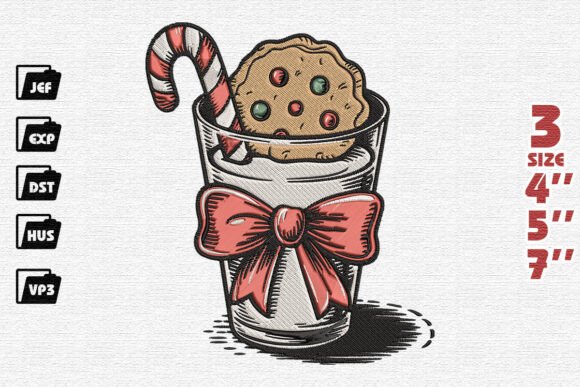
Retro Santa Milk & Cookies Embroidery Review
As an embroidery designer who has spent years digitizing artwork for small businesses, I approach every new machine embroidery design with a critical eye. It is not just about whether the image looks cute on a screen; it is about how that image translates into thread on real-world merchandise. Today, I am reviewing the Retro Santa s Milk and Cookies Embroidery Design, a piece that promises charm and nostalgia. For boutique owners, café operators, and handmade brand creators, this review focuses on the practical application of this design in a commercial setting.
First Impressions: Visual Personality and Brand Fit
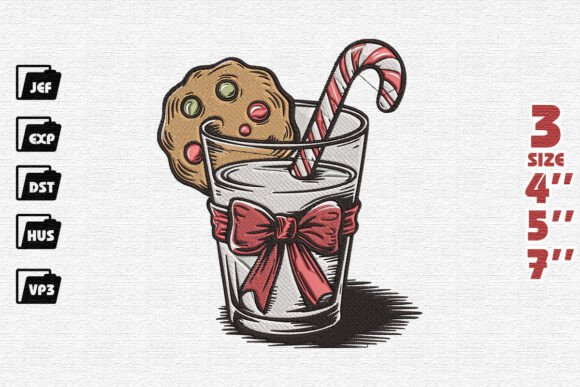
The first thing that strikes me about this design is its inherent warmth. The description highlights a retro-style artwork featuring a glass of milk tied with a big red bow. This imagery immediately evokes feelings of tradition, comfort, and holiday anticipation. From a branding perspective, this is not a loud or aggressive logo. Instead, it feels friendly, rustic, and deeply nostalgic.
For businesses in the food and beverage sector, such as local bakeries, coffee shops, or family-owned diners, this aesthetic aligns perfectly with a "homegrown" or "artisanal" brand identity. The retro vibe suggests longevity and trust, which are crucial elements for customer retention. However, for modern tech startups or minimalist fashion brands, this design might feel too decorative. It is essential to match the visual personality of the digital embroidery file with your existing brand guidelines before committing to production.
Real-World Applications for Small Business Merch
When evaluating a design for small business merch, versatility is key. Here is how I see this specific design performing across various product lines:
- Embroidered Patches: This is perhaps the strongest use case. A patch allows for controlled stitch density and can be applied to multiple items. Imagine a limited-edition holiday patch for a local bookstore or a pet brand. The glass and bow motif creates a contained shape that works well within circular or shield-shaped patch borders.
- Apron Embroidery: For bakeries and cafés, staff uniforms are walking billboards. Placing this design on the chest pocket area of a canvas apron adds a touch of seasonal cheer without overwhelming the uniform. It reinforces the idea of homemade care and service.
- Tote Bag Design: Canvas tote bags are staples for retail shops. This design, centered on a bag, serves as a delightful gift-with-purchase item during the holiday season. The red bow provides a necessary pop of color against natural canvas fabric.
- Cap Embroidery: While possible, cap fronts offer limited space. This design would need to be scaled down significantly. It works best as a side-panel accent rather than a full-front logo, ensuring the details of the milk glass remain visible.
Technical Considerations and Stitch Density
From a technical standpoint, the success of any embroidery file depends on execution. The description mentions a glass of milk and a deli item inside (likely a cookie, though the text cuts off). Glass is a challenging subject in embroidery because it requires smooth satin stitches to convey transparency and reflection. If the digitizer has used too many jump stitches or poor underlay, the "glass" effect may look cluttered.
Stitch density is another critical factor. A retro style often implies bold lines, but if the design is too dense, it can cause puckering on lighter fabrics like cotton tote bags or poly-blend t-shirts. I recommend testing the design on a scrap piece of your actual inventory fabric. Use a cut-away stabilizer for stretchy materials like jersey caps, and a tear-away stabilizer for woven aprons or jackets. Always check the hoop size requirements; if the design is large, you may need a 5x7 or 6x10 hoop, which limits where you can place it on smaller garments.
Fabric Texture and Thread Colors
The interplay between thread colors and fabric texture can make or break the final look. The red bow mentioned in the description needs high-contrast thread to stand out. If you are embroidering on dark navy or black uniforms, ensure the design includes enough white or light-colored stitching to prevent the milk glass from disappearing into the background. On textured fabrics like terrycloth towels or wool blends, fine details may get lost. In such cases, simplifying the design or increasing the stitch width can help maintain clarity.
Strategic Placement and Cautionary Notes
While this design is charming, there are areas where it should be used carefully. Avoid placing it on areas subject to high friction, such as the cuffs of sleeves or the lower hem of shirts, as the satin stitches covering the glass may snag or wear down over time. Additionally, be cautious with tiny lettering if the design includes text. Small text often becomes illegible after washing if the stitch count is not optimized for readability.
For items that require frequent industrial washing, such as restaurant uniforms, consider using polyester threads instead of rayon. Polyester is more durable and colorfast, ensuring your finished product maintains its vibrancy throughout the holiday rush and beyond.
Enhancing Brand Identity and Customer Trust
Using a cohesive design like Retro Santa s Milk and Cookies Embroidery Design contributes significantly to brand recognition. When customers see consistent, high-quality embroidery on your packaging, uniforms, and merchandise, it signals professionalism. It tells the buyer that you care about the details. This attention to detail builds trust, which is the foundation of customer loyalty.
Furthermore, handmade products with custom embroidery carry a higher perceived value. A simple tote bag becomes a keepsake when adorned with a unique, seasonal design. This emotional connection encourages social sharing, providing organic marketing for your business. Whether you are creating a printable mockup for your online store or photographing the actual item, the tactile quality of embroidery stands out in a digital marketplace saturated with flat prints.
Practical Designer Notes for Production
Before you purchase or produce this design for your business, follow these steps to ensure quality:
- Test in Black and White: Print the design outline in grayscale to check for clarity. If the shapes merge together without color, the design may be too complex for small sizes.
- Check Commercial Licensing: Confirm that the design assets come with a commercial license. Never assume a file is free for resale or branded use. Protect your business by verifying terms upfront.
- Create a Mockup: Use digital tools to place the design on photos of your actual products. This helps visualize scale and placement before committing to thread and fabric.
- Verify File Formats: Ensure the provider offers the correct format for your machine (e.g., PES, DST, EXP). Incorrect formats can lead to sizing errors or lost data.
- Inspect Spacing: Look closely at the gap between the milk glass and the bow. Adequate spacing prevents thread buildup and ensures a clean finish.
In conclusion, the Retro Santa s Milk and Cookies Embroidery Design offers a delightful opportunity for small businesses to connect with customers through nostalgic, high-quality merchandise. By paying attention to technical details like stabilizer choice, thread contrast, and placement, you can transform this digital file into a tangible asset that enhances your brand identity and drives sales during the holiday season.