Pastel Butterfly Embroidery Design Review
As a designer who has spent countless hours digitizing and testing machine embroidery design files, I have learned that the difference between a mediocre product and a bestseller often comes down to subtlety. When I first loaded the Pastel Butterfly Embroidery Design into my software, I was not looking for complexity. I was looking for breathability. In an industry saturated with dense, heavy motifs, this design stands out because it understands the power of negative space. It is a piece that belongs to the Bugs category, yet it feels less like an insect study and more like a whisper of spring.
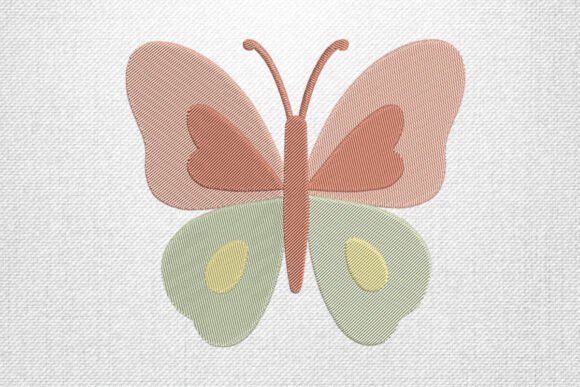
My initial impression was one of calm. The layout avoids the cluttered look that plagues many beginner-level files. Instead, it relies on smooth, minimal stitching in gentle shades of pink, green, and yellow. This specific color palette is not just an aesthetic choice; it is a strategic one for modern craft businesses. These tones translate beautifully across various demographics, from nursery decor to boutique adult apparel. For an Etsy seller or small shop owner, this versatility is crucial. You do not want a design that pigeonholes you into a single niche unless that is your explicit brand strategy.
Real-World Application: The Custom Tote Test
To truly evaluate an embroidery file, you must move beyond the screen and into the hoop. I decided to test this design on a natural canvas tote bag, a staple item for any handmade product line. Canvas presents a unique challenge due to its weave and texture. A design with high stitch density can cause puckering, while one with too little coverage might look sparse.
The Pastel Butterfly Embroidery Design performed exceptionally well here. The use of what appears to be a combination of satin stitch for the body and lighter fill stitch or running stitch elements for the wings allowed the fabric texture to remain visible without compromising the image’s integrity. The result was a soft, integrated look rather than a plastic-like patch sitting on top of the fabric. For a customer buying a personalized gift, this tactile quality signals higher value. It feels intentional and professional, which builds trust in your brand consistency.
I also considered how this would translate to custom apparel, specifically a heather grey sweatshirt. Sweatshirt embroidery requires careful attention to stabilizer choice and stitch pull. Because this design features minimal stitching, it did not distort the knit fabric. The gentle curves of the butterfly wings flowed naturally with the garment’s drape. This makes it an excellent candidate for baby embroidery projects as well, where comfort against sensitive skin is paramount. Heavy, dense designs can feel scratchy or stiff, but this airy approach remains soft and flexible.
Navigating Fabric and Hoop Constraints
While the design is versatile, it is not without its limitations. As a reviewer, I must point out where caution is needed. The pastel color scheme, while charming, poses a visibility challenge on dark fabrics. If you are creating a holiday embroidery piece for a black jacket or navy apron, the gentle pink and yellow threads may get lost. In such cases, I recommend testing the design with adjusted thread colors or using it as an applique design base where a contrasting fabric patch provides the necessary background.
Furthermore, the hoop size matters. Although the design is not overly large, placing it too close to the edge of a small hoop can lead to registration issues, especially on curved surfaces like caps. Cap embroidery is notoriously difficult due to the stiffness of the buckram and the curvature of the crown. I would advise against using this specific pastel iteration on structured caps unless you are experienced with underlay techniques. However, for flat items like pillow covers, tea towels, or kitchen towels, it is nearly foolproof.
Another consideration is the fabric texture. On highly textured materials like terry cloth or thick wool, the fine details of the wings might blur. The smooth, minimal stitching works best on medium-weight cottons, linens, and stable blends. If you are working with stretchy fabric, a cut-away stabilizer is non-negotiable to prevent the design from warping after washing. Always test the design on scrap fabric first. This simple step saves hours of frustration and protects your reputation as a reliable seller.
Commercial Viability and Brand Appeal
For digital product sellers and creative entrepreneurs, the commercial potential of the Pastel Butterfly Embroidery Design lies in its adaptability. It serves as a strong anchor for seasonal collections. Imagine pairing this butterfly with simple script fonts for wedding gifts or mother’s day promotions. The whimsical nature of the bug theme appeals to a broad audience without feeling childish. It strikes a balance that is rare in stock design assets.
When creating printable mockups or digital embroidery file previews, this design photographs well. The pastel tones reflect light softly, avoiding the harsh shadows that darker, denser stitches often create. This enhances the perceived quality of your online listings. Buyer engagement often increases when customers can clearly visualize the finished product. A clean, crisp embroidery image suggests a high-quality handmade product, encouraging clicks and conversions.
However, professionalism extends beyond aesthetics. Before listing this as part of your small shop product line, you must confirm licensing terms. Ensure that the file allows for commercial use if you intend to sell finished items. Additionally, check the available formats to ensure compatibility with your specific machine. Not all digital embroidery files are created equal, and format conversion can sometimes alter stitch paths. Always inspect the design in your software before hitting the start button.
Final Designer Notes
In conclusion, the Pastel Butterfly Embroidery Design is a thoughtful addition to any designer’s library. It excels in scenarios requiring a light touch, such as baby clothes, spring-themed tote bag designs, and delicate home decor. It is not a one-size-fits-all solution, particularly for dark fabrics or high-abrasion items, but its strengths far outweigh its limitations when used correctly.
- Test on scrap fabric: Always verify stitch density and tension on your specific material.
- Check thread contrast: Pastel threads require light or neutral backgrounds for maximum impact.
- Use proper stabilizer: Match the stabilizer to the fabric weight to prevent puckering.
- Verify licensing: Confirm commercial rights before selling finished products or design assets.
- Consider the hoop: Ensure adequate margin for hooping, especially on smaller items.
For those building a craft business or expanding their Etsy seller portfolio, this design offers a reliable, aesthetically pleasing option that resonates with current trends. It embodies the quiet confidence of good design—unobtrusive, elegant, and effectively executed. Whether you are creating a personalized gift or stocking your boutique with unique merchandise, this butterfly earns its place in the hoop.