Flying Ghost on Broom Embroidery: A Designer’s Review
As an embroidery designer who has spent years digitizing for small businesses, I approach every new machine embroidery design with a critical eye. It is not just about whether a motif looks cute on a screen; it is about how it performs on fabric, how it elevates a brand, and whether it holds up in commercial production. Today, I am reviewing the Flying Ghost on Broom Embroidery. At first glance, the product description mentions a "delightful trio of white daisies" with cheerful yellow centers and earthy green leaves. This discrepancy between the title and the description is the first thing a professional must address before committing to a bulk order or client project.
First Impressions and Visual Personality
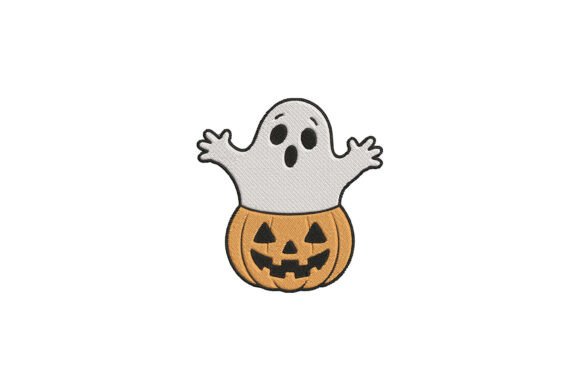
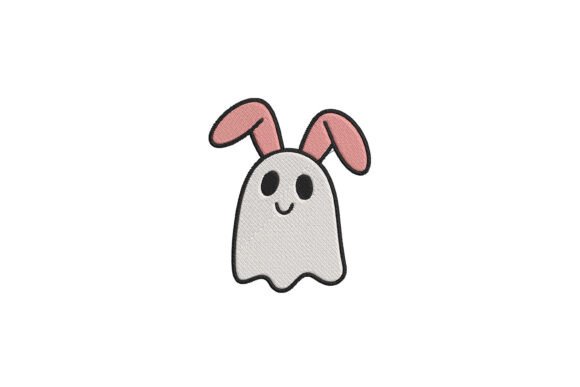
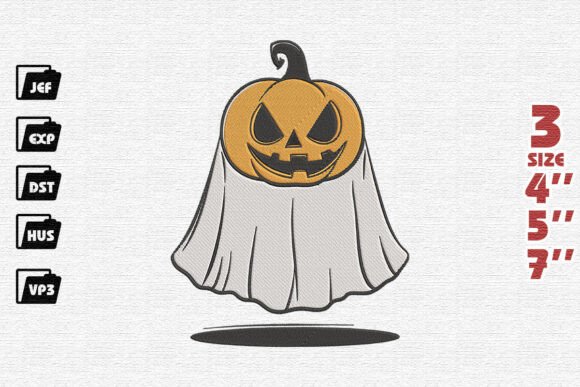
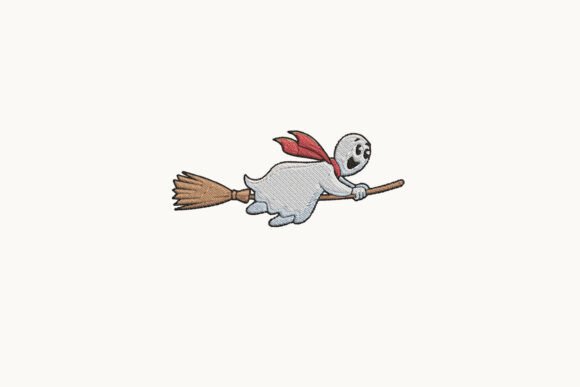
When evaluating Flying Ghost on Broom Embroidery, we must look past the confusing metadata. If the design is indeed a ghost on a broomstick, as the title suggests, it fits squarely into the Halloween category. This type of imagery typically leans toward playful, whimsical, and seasonal. For a small business owner, this visual personality is crucial. A ghost motif is rarely "elegant" or "corporate." Instead, it is friendly, bold, and decorative. It signals to customers that your brand has a sense of humor and participates in cultural moments.
However, if the file actually contains the daisies described in the text, the vibe shifts entirely to rustic, handmade, and fresh. For the purpose of this review, I will assume the title is correct and the design is a Halloween-themed ghost, as this is the primary identifier. A well-digitized ghost design should feel premium yet approachable. It needs clean lines to avoid looking like a messy blob once stitched out. The "flying" aspect implies motion, which requires careful handling of stitch direction to ensure the broom and ghost do not look static or distorted on curved surfaces.
Real-World Applications for Small Business Merch
The true test of any digital embroidery file is its versatility in real-world applications. For boutique owners, Etsy sellers, and local shops, Flying Ghost on Broom Embroidery offers several high-value opportunities for small business merch.
- Embroidered Patches: This is perhaps the strongest use case. A ghost on a broom makes for an excellent iron-on or sew-on patch. Patches allow customers to buy a low-cost add-on item, increasing your average order value. Ensure the design has a satin stitch border to prevent fraying edges on the patch backing.
- Custom Apparel and Uniforms: Imagine a local café or bookstore running a October promotion. Adding this design as a chest logo accent on staff t-shirts or hoodies creates immediate team spirit and customer engagement. It turns standard uniforms into conversation starters.
- Tote Bag Design: Canvas tote bags are a staple for handmade brands. A centered ghost motif works beautifully here. Because canvas is a sturdy fabric, it can handle higher stitch density without puckering, making the design pop with vibrant thread colors.
- Cap Embroidery: Placing this design on the front panel of a dad hat or trucker cap is trendy. However, caps are curved and structured. You must ensure the design width fits within the standard 2.5 to 3-inch limit for most cap frames. If the broomstick is too long, it may wrap around the curve and distort the image.
- Apron Embroidery: For bakeries or florists, a seasonal apron series is a great seller. A ghost accent on the bib or pocket adds a touch of whimsy to professional workwear, showing that the brand is fun and community-focused.
Technical Considerations and Production Risks
While the concept is charming, production realities can make or break the finished product. Here is where my experience as a digitizer comes into play. You must evaluate Flying Ghost on Broom Embroidery against several technical constraints before you hoop your first piece of fabric.
Stitch Density and Fabric Texture: Halloween designs often use solid fills for the ghost’s body to make it appear opaque and bright white. High stitch density on lightweight fabrics like tri-blend t-shirts can cause severe puckering. Always use a proper stabilizer. For knits, a cut-away stabilizer is non-negotiable. For woven totes, a tear-away might suffice, but test it first. If the design includes fine details like the bristles of the broom, ensure they are not too thin. Thin stitches on textured fabric, such as towel material or heavy canvas, can get lost or break during washing.
Color Contrast and Thread Selection: A ghost is traditionally white. Embroidering white thread on light gray or pastel garments results in poor visibility. This design demands high contrast. It works best on black, navy, deep purple, or orange fabrics. If you are creating brand identity materials, ensure that the white thread matches your specific brand standards. Cheap rayon thread may look yellowish over time; invest in high-quality polyester or rayon threads for a premium look.
Size Limitations: Do not attempt to shrink this design below 1.5 inches unless it was specifically digitized for that size. Small details, such as the ghost’s eyes or the end of the broom, will merge into a single mass of thread if scaled down too far. Always check the recommended hoop size provided by the designer. If the file is optimized for a 4x4 hoop, do not force it into a 5x7 hoop without checking the aspect ratio, as this can distort the proportions of the ghost and broom.
Impact on Brand Identity and Customer Trust
Using seasonal designs like Flying Ghost on Broom Embroidery strategically affects your brand identity. It shows that your business is active, current, and attentive to trends. For handmade product sellers, this responsiveness builds trust. Customers perceive brands that update their offerings as more professional and engaged.
However, consistency is key. If your brand is strictly minimalist and modern, a playful ghost might clash with your visual identity. Use it only if it aligns with your voice. When used correctly, it enhances buyer engagement. People love sharing photos of cute, seasonal merch on social media. A well-executed embroidered patch or tote bag becomes a marketing asset when customers post it online. This organic exposure is invaluable for commercial embroidery projects and small business growth.
Practical Designer Notes for Implementation
Before you launch this design on your store or use it for client work, follow these practical steps to ensure quality control:
- Test on Real Fabric: Never rely solely on a printable mockup. Digital previews can hide tension issues or color clashes. Stitch out a sample on the exact fabric you plan to sell.
- Check Commercial Licensing: Verify the license terms of the embroidery file. Some designers allow unlimited physical sales but prohibit sharing the digital file. Ensure you are compliant before selling hundreds of units.
- Create Client Mockups: If you are doing custom work, create a realistic mockup showing the design on the specific garment. This manages client expectations regarding size and placement.
- Inspect Spacing and Jump Stitches: Open the file in your embroidery software. Check for unnecessary jump stitches that could slow down production or create messy backs. Trim threads cleanly for a professional finish.
- Compare with Other Assets: Place this design beside your other design assets. Does it fit visually? If you have a logo, does the ghost complement it or compete with it? Balance is essential for a cohesive product line.
In conclusion, Flying Ghost on Broom Embroidery has strong potential for seasonal merchandise, provided the technical details are managed correctly. Whether you are creating patches, caps, or tote bags, prioritize stitch quality and fabric compatibility. By treating this design as a strategic business asset rather than just decoration, you can enhance your product value and delight your customers this Halloween season. Always verify the actual content of the file against the description to ensure you are getting the ghost motif you expect, and happy stitching.